



🚀 Interview Tips for Freshers: Crack Your First Job with Confidence
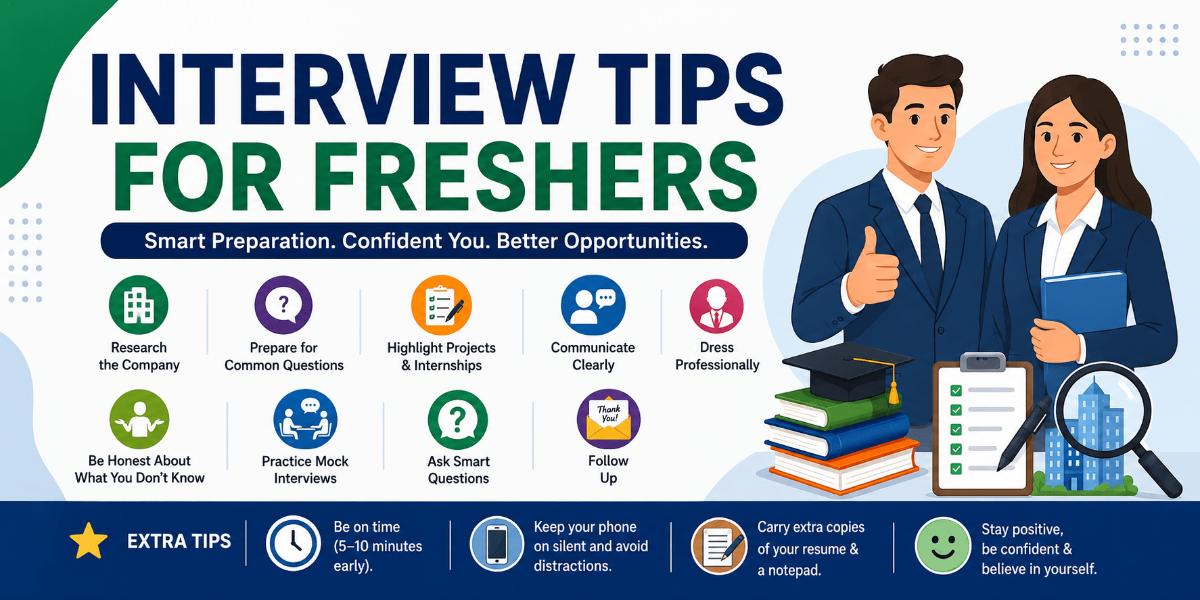
🚀 Interview Tips for Freshers: Crack Your First Job with Confidence
Starting your career can feel overwhelming, especially when you’re preparing for your first interview. Whether you belong to pharma, life sciences, engineering, IT, management, commerce, or any other field, interviews can feel stressful when you have little or no experience.
The good news is this:
Companies hiring freshers are not expecting perfection. They are looking for candidates who are willing to learn, communicate well, understand basics, and show confidence.
Your first interview is not about knowing every answer. It is about proving that you are serious about your career and capable of growing within the organization.
This detailed guide will help you prepare professionally, avoid common mistakes, and increase your chances of getting selected.
━━━━━━━━━━━━━━━━━━━
🎯 1. Understand the Basics of Your Field
As a fresher, interviewers mainly test your fundamentals.
They know you may not have years of experience, but they expect you to understand the basic concepts related to your field.
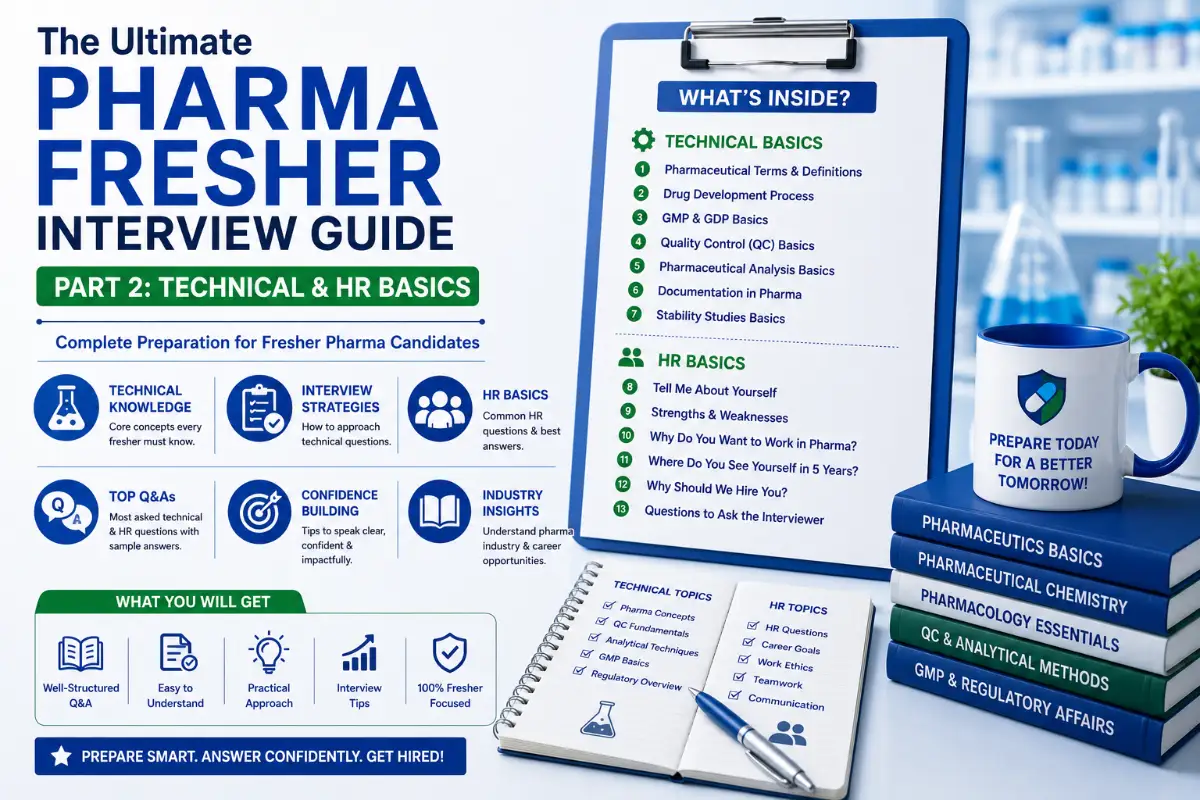
If You’re from Pharma or Life Sciences:
• QA (Quality Assurance)
• QC (Quality Control)
• GMP (Good Manufacturing Practices)
• SOP (Standard Operating Procedures)
• Validation
• Production process
• Clinical Research
• Microbiology basics
• Laboratory safety practices
• Documentation procedures
If You’re from IT or Computer Science:
• Programming basics
• OOP concepts
• DBMS
• Networking fundamentals
• SDLC
• Web technologies
• Coding logic
• Project explanation
If You’re from Mechanical/Electrical/Civil:
• Core technical subjects
• Important formulas
• Industry applications
• Safety procedures
• Practical understanding
👉 Tip: Interviewers appreciate clear understanding more than memorized definitions.
━━━━━━━━━━━━━━━━━━━
🏢 2. Research the Company Before the Interview
One of the biggest mistakes freshers make is attending interviews without knowing anything about the company.
Before your interview, research:
• Company background
• Products or services
• Company culture
• Recent achievements
• Locations and branches
• Clients/customers
• Industry type
• Job role responsibilities
• Required skills
Where to Research:
• Company website
• LinkedIn page
• Glassdoor reviews
• News articles
• Employee experiences
• Social media pages
👉 Why This Matters:
Proper research helps you answer confidently and show genuine interest in the organization.
━━━━━━━━━━━━━━━━━━━
🗣️ 3. Prepare Common Interview Questions
Most interviews include standard questions. Preparing them in advance can reduce nervousness.
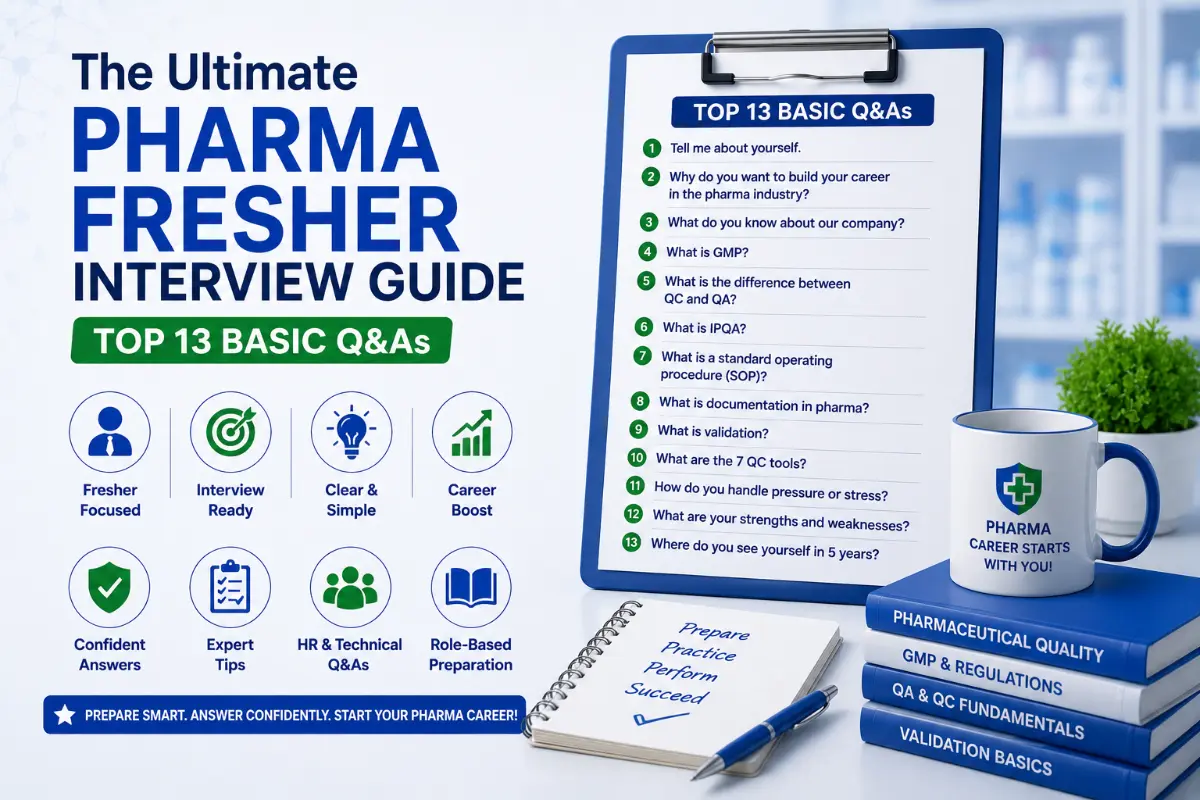
Common Questions:
• Tell me about yourself
• Why should we hire you?
• What are your strengths and weaknesses?
• Why do you want to join this company?
• Where do you see yourself in 5 years?
Best Structure for “Tell Me About Yourself”
Education → Skills → Internship/Projects → Career Goals
Example:
“Hello sir/mam, my name is Rahul Patel. I recently completed my B.Pharm degree from XYZ College. During my academics, I developed strong interest in quality assurance and pharmaceutical manufacturing. I completed a project on tablet formulation and improved my communication and teamwork skills during my internship. As a fresher, I’m eager to learn and start my professional journey with a reputed organization like yours.”
━━━━━━━━━━━━━━━━━━━
🔬 4. Highlight Projects, Training & Internships
Your projects and internships are extremely important as a fresher.
Be ready to explain:
• Project objective
• Your role and contribution
• Tools or techniques used
• Challenges faced
• Results achieved
• What you learned
👉 Tip: Explain your project confidently and clearly.
━━━━━━━━━━━━━━━━━━━
📚 5. Revise Your Resume Thoroughly
Interviewers can ask questions from any line on your resume.
Be prepared to explain:
• Skills
• Certifications
• Projects
• Internships
• Achievements
• Technical tools
• Hobbies and interests
👉 Never add fake information to your resume.
━━━━━━━━━━━━━━━━━━━
🤝 6. Be Honest — Never Bluff
If you don’t know an answer, stay calm.
You can say:
“I’m not fully sure about this concept, but I would love to learn more about it.”
Honesty builds trust and creates a positive impression.
━━━━━━━━━━━━━━━━━━━
💬 7. Improve Communication Skills
Good communication can significantly improve your interview performance.
Tips:
• Speak slowly and clearly
• Maintain eye contact
• Avoid filler words
• Practice speaking daily
• Record yourself and analyze
• Improve vocabulary gradually
👉 Confidence and clarity matter more than accent.
━━━━━━━━━━━━━━━━━━━
👔 8. Dress Professionally
Your appearance creates the first impression.
For Men:
• Formal shirt
• Formal pants
• Clean shoes
• Proper grooming
For Women:
• Formal or semi-formal attire
• Neat appearance
• Minimal accessories
👉 Dress professionally even for online interviews.
━━━━━━━━━━━━━━━━━━━
⏰ 9. Arrive on Time
Punctuality shows professionalism.
• Reach 15–20 minutes early for offline interviews
• Join online meetings 10 minutes before schedule
• Check internet, camera, and microphone beforehand
━━━━━━━━━━━━━━━━━━━
📄 10. Carry Important Documents
• Resume copies
• Passport-size photographs
• Educational certificates
• ID proof
• Internship certificates
• Project documents
Keep everything organized in a folder.
━━━━━━━━━━━━━━━━━━━
🧠 11. Improve Aptitude & Logical Reasoning
Many companies conduct aptitude rounds before interviews.
Practice Topics:
• Percentages
• Profit & Loss
• Time & Work
• Ratio & Proportion
• Logical reasoning
• Data interpretation
━━━━━━━━━━━━━━━━━━━
💻 12. Prepare for Technical Interviews
Focus on understanding concepts instead of memorizing answers.
For IT Students:
• Practice coding regularly
• Revise DBMS and OOP concepts
• Understand projects deeply
For Pharma/Life Sciences:
• Understand QA/QC processes
• Know GMP and SOP basics
• Learn instruments and procedures
━━━━━━━━━━━━━━━━━━━
🌟 13. Build Confidence Before the Interview
Ways to Improve Confidence:
• Practice mock interviews
• Prepare answers in advance
• Improve body language
• Focus on preparation
• Stop comparing yourself with others
👉 Nervousness is normal. Preparation reduces fear.
━━━━━━━━━━━━━━━━━━━
🎤 14. Practice Mock Interviews
Mock interviews help identify weak areas.
Benefits:
• Better communication
• Improved confidence
• Reduced nervousness
• Stronger answers
• Better body language
━━━━━━━━━━━━━━━━━━━
📱 15. Maintain Professional Online Presence
Recruiters often check LinkedIn and social profiles.
Create a Professional LinkedIn Profile:
• Professional photo
• Skills and certifications
• Projects and internships
• Achievements
👉 Avoid posting unprofessional or negative content publicly.
━━━━━━━━━━━━━━━━━━━
🧘 16. Manage Interview Anxiety
Before the Interview:
• Sleep properly
• Eat light food
• Stay hydrated
• Practice deep breathing
• Avoid overthinking
During the Interview:
• Stay calm
• Listen carefully
• Pause before answering
• Smile naturally
━━━━━━━━━━━━━━━━━━━
❓ 17. Ask Smart Questions
At the end of the interview, ask thoughtful questions.
Examples:
• What does a typical day in this role look like?
• What skills are most important for success here?
• What learning opportunities are available?
• How is performance evaluated?
━━━━━━━━━━━━━━━━━━━
🚫 18. Common Mistakes Freshers Should Avoid
• Arriving late
• Poor grooming
• Lack of preparation
• Giving fake answers
• Using mobile phones during interview
• Interrupting the interviewer
• Negative attitude
• Overconfidence
━━━━━━━━━━━━━━━━━━━
🏆 19. Develop Soft Skills
Companies value soft skills as much as technical skills.
Important Soft Skills:
• Communication
• Teamwork
• Leadership
• Problem-solving
• Adaptability
• Time management
━━━━━━━━━━━━━━━━━━━
📈 20. Keep Learning Continuously
Continue improving yourself through:
• Online courses
• Certifications
• Industry webinars
• Workshops
• Practical projects
• Networking
👉 Learning attitude makes you valuable.
━━━━━━━━━━━━━━━━━━━
📩 21. Follow Up After the Interview
Send a short thank-you message after the interview.
Example:
“Thank you for the opportunity. It was great speaking with you and learning more about the role.”
━━━━━━━━━━━━━━━━━━━
💡 22. What Interviewers Actually Look for in Freshers
• Learning attitude
• Confidence
• Communication skills
• Positive mindset
• Professionalism
• Technical basics
• Adaptability
━━━━━━━━━━━━━━━━━━━
🔥 23. Tips for Online Interviews
• Use a quiet environment
• Test microphone and camera
• Keep stable internet connection
• Look into the camera while speaking
• Dress professionally
• Keep distractions away
━━━━━━━━━━━━━━━━━━━
🌍 24. Importance of Body Language
Positive Body Language:
• Smile naturally
• Sit straight
• Maintain eye contact
• Nod while listening
• Use controlled hand gestures
Avoid:
• Crossing arms
• Looking down constantly
• Slouching
• Fidgeting
━━━━━━━━━━━━━━━━━━━
📖 25. Learn From Every Interview
Not every interview will result in selection, and that’s completely normal.
Every interview teaches you:
• How to answer better
• Which skills need improvement
• How to manage nervousness
• What recruiters expect
👉 Rejections are learning opportunities.
━━━━━━━━━━━━━━━━━━━
🌟 Final Motivation for Freshers
Your first interview is not about being perfect.
It’s about showing:
✅ Potential
✅ Willingness to learn
✅ Confidence
✅ Professionalism
✅ Positive attitude
Every successful professional was once a fresher with zero experience.
The difference is that they kept learning, improving, and trying again.
Believe in yourself and keep moving forward.
━━━━━━━━━━━━━━━━━━━
🔖 Bonus Tips for Freshers
✔ Keep updating your resume
✔ Apply consistently
✔ Improve communication daily
✔ Network on LinkedIn
✔ Stay updated with industry trends
✔ Practice interviews regularly
✔ Stay patient during job search
━━━━━━━━━━━━━━━━━━━
📢 Conclusion
Interviews may feel difficult at first, but preparation changes everything.
The more you practice, the more confident you become.
Remember:
• Companies don’t hire only skills
• They hire attitude and willingness to grow
• Confidence and preparation create strong impressions
Stay positive, continue learning, and never stop believing in yourself.
🚀 Your dream job opportunity may be just one interview away.
━━━━━━━━━━━━━━━━━━━
📢 If you found this helpful, share it with your friends preparing for interviews and help them succeed too!
Written by JobPortal Editorial Team
Senior Career Advisor & Recruitment Specialist at JobPortalConnect. With years of experience in HR matching, they review resumes, optimize career pathways, and interview recruiting partners directly.