





Mastering Behavioral Interviews: How to Use the STAR Method to Answer Tough Questions
Why Behavioral Questions Matter
In a job interview, technical skills are only half of the equation. Recruiters and hiring managers want to know how you work within a team, how you handle pressure, and what you do when projects fail. To test this, they ask behavioral questions. These questions typically start with phrases like: "Tell me about a time you had a conflict with a teammate" or "Describe a situation where you had to work with a tight deadline."
If you respond to these questions with vague summaries or unfocused stories, you will fail the behavioral round. To stand out, you must structure your responses using a logical, narrative framework. The industry standard for this is the **STAR method**.
The STAR Method Framework
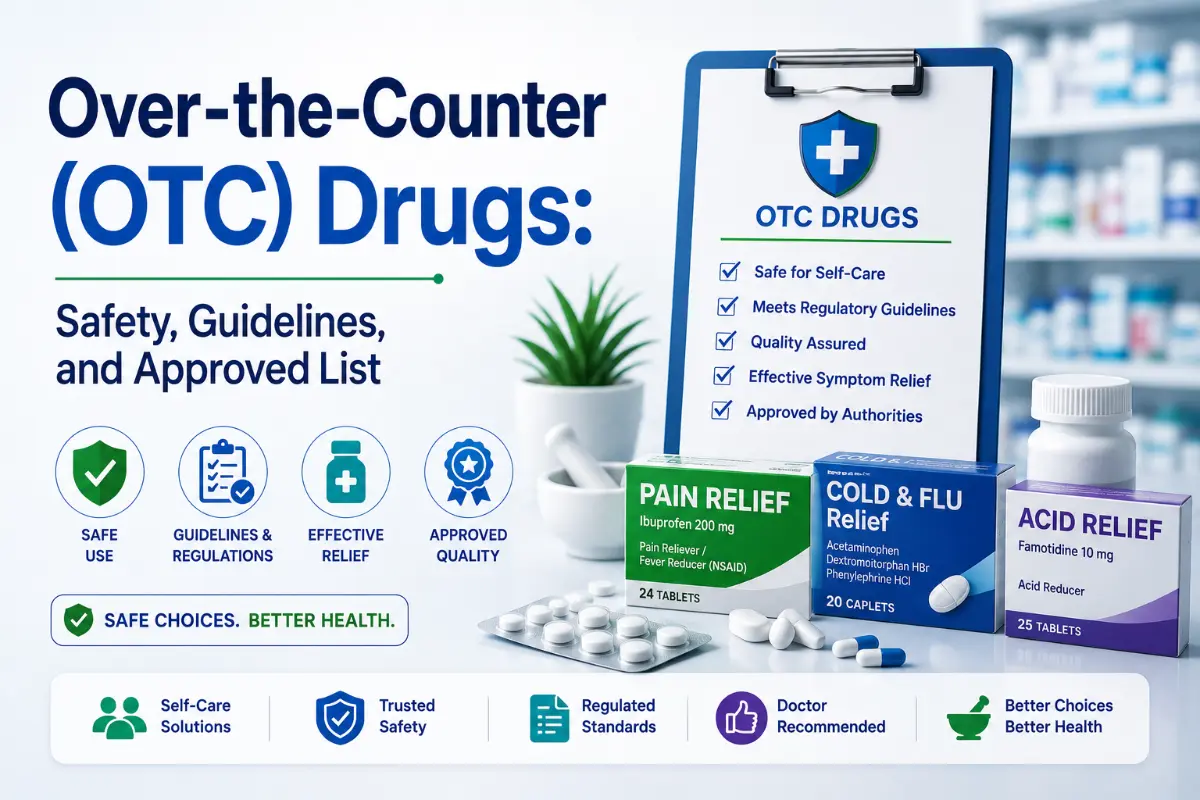
STAR stands for Situation, Task, Action, and Result. By breaking your story into these four segments, you deliver a concise, logical response in under 2 minutes:
- Situation (S): Describe the context or challenge you faced. Keep it brief—set the scene in 1 or 2 sentences.
- Task (T): Explain what your responsibility was in that situation. What goal were you trying to achieve?
- Action (A): Describe the specific actions *you* took to solve the problem. Focus on your actions, not the team's. Use "I" instead of "we."
- Result (R): Share the outcome. What did you accomplish? What did you learn? Always try to quantify the result with numbers.
Example: Answering "Tell me about a time you made a mistake"
Situation: "In my previous role as a Software Engineer, we were deploying a critical security patch to production on a Friday afternoon."
Task: "My task was to run the database migration scripts. However, due to a minor syntax error in my config file, the migration script halted, causing the production site to go offline for 15 minutes."
Action: "Instead of panicking, I immediately notified my team lead and rolled back the database to the previous stable state. Once the site was back online, I set up a local testing script to trace the error, found the syntax typo, and fixed it. I then wrote a check script to automate verification of config files before future deployments."
Result: "The patch was successfully deployed 40 minutes later. By creating the verification script, we prevented config errors, reducing migration failures to 0% over the next six months."
Key Rules to Keep in Mind
- Prepare stories in advance: Write down 3 or 4 stories from your previous jobs or college projects that cover teamwork, failure, leadership, and success.
- Be honest: Do not invent stories. Experienced interviewers can spot fake details easily when they ask follow-up questions.
- Focus on the solution: Do not spend too much time describing the conflict or problem. Spend 70% of your time explaining the **Action** and **Result** segments.
Written by JobPortal Editorial Team
Senior Career Advisor & Recruitment Specialist at JobPortalConnect. With years of experience in HR matching, they review resumes, optimize career pathways, and interview recruiting partners directly.