





Salary Components in India: Understanding CTC, HRA, PF, and Tax Optimization
Decoding Your Salary Offer Letter
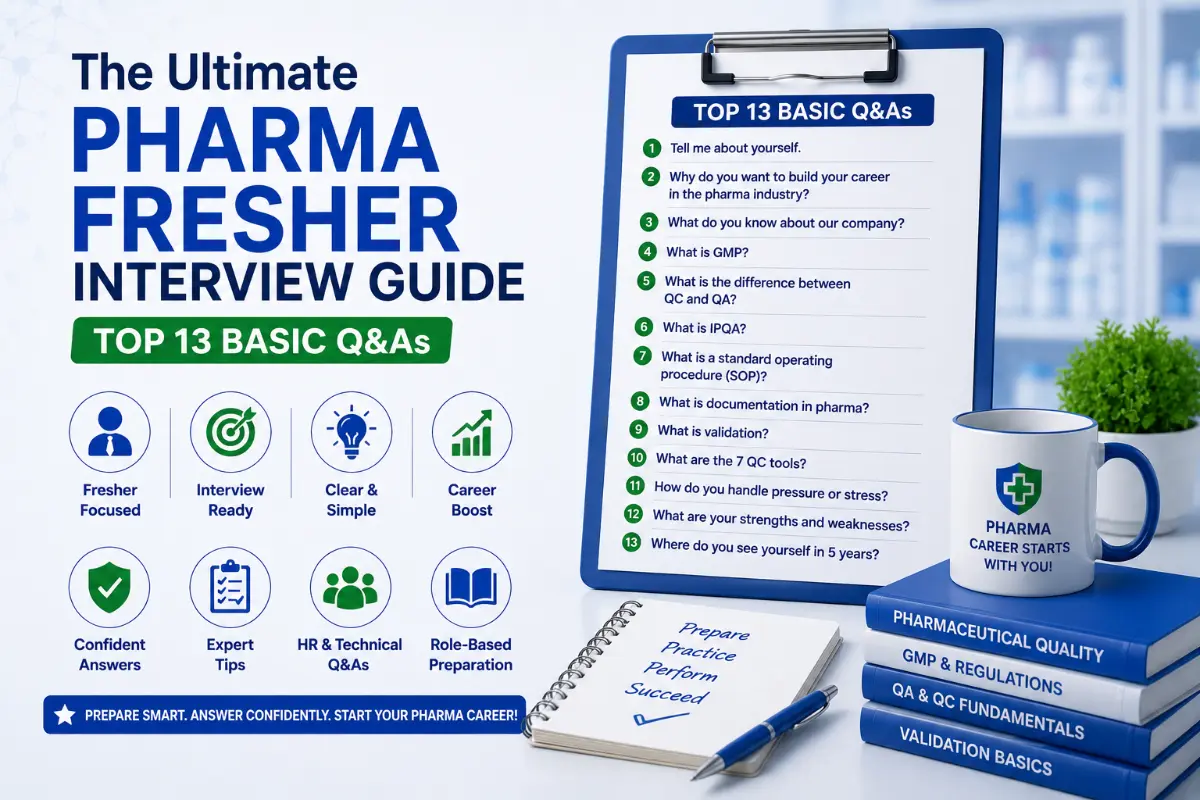
Getting a job offer is an exciting milestone. However, when you open the offer letter and look at the salary table, you might feel confused by the list of components. In India, companies present salary offers in terms of **CTC** (Cost to Company). But the actual amount that lands in your bank account every month—your **In-Hand / Take-Home Salary**—is often significantly lower. Understanding these components is essential so you do not face a surprise on your first payday, and so you can negotiate tax-saving structures effectively.
This article breaks down the standard salary components in India and explains how they impact your monthly take-home pay.
1. Cost to Company (CTC) vs. In-Hand Salary
CTC is the total financial cost a company incurs to employ you for one year. It includes not only your salary but also the company's contributions to your retirement benefits (PF, Gratuity), health insurance premiums, office space costs, and food allowances.
The basic formula is:In-Hand Salary = Gross Salary - (Employee PF + Professional Tax + Income Tax Deductions)
2. Key Salary Components Explained
A typical salary structure in India is divided into these core buckets:
- Basic Salary: The core foundation of your salary. It is fully taxable and usually makes up 40% to 50% of your total CTC. Your PF and Gratuity contributions are calculated as a percentage of your Basic Salary.
- House Rent Allowance (HRA): Provided to cover rental accommodation costs. You can claim tax exemptions on HRA under Section 10(13A) by submitting your rent receipts and rental agreement.
- Provident Fund (PF): A long-term savings fund for retirement. Both you and the employer contribute 12% of your Basic Salary. While the employer's contribution is part of your CTC, your share is deducted from your gross pay, reducing your monthly take-home.
- Leave Travel Allowance (LTA): Covers domestic travel expenses for you and your family during leaves. It is tax-exempt twice in a block of four years if you submit valid travel tickets.
- Special Allowance: A catch-all taxable category used by companies to balance out the remaining CTC amount after defining basic and HRA. It is fully taxable.
- Gratuity: A statutory benefit paid by the employer if you complete 5 consecutive years of service. Although it is listed as an annual component in your CTC, it is withheld by the company and paid only upon resignation or retirement.
3. Tips for Salary Negotiation and Tax Optimization
When discussing your salary structure with HR:
- Request a Higher Basic Salary (within limits): A higher basic salary increases your future retirement savings (PF) and gratuity, but also increases your current tax liability. Aim for a balanced 50% of CTC.
- Maximize HRA Exemptions: If you live in a rented home, verify that your HRA component is structured high enough to cover your actual rent payment tax deduction.
- Opt-in for Tax-Free Reimbursements: If your company offers them, opt-in for components like telephone/internet reimbursements, fuel allowances, and meal coupons (e.g., Sodexo), as these are non-taxable benefits.
Written by JobPortal Editorial Team
Senior Career Advisor & Recruitment Specialist at JobPortalConnect. With years of experience in HR matching, they review resumes, optimize career pathways, and interview recruiting partners directly.